Every January a couple asks us for July peonies, and every July someone wants February dahlias. Tasmania grows extraordinary flowers, but it grows them on its own schedule. Here is the calendar pinned above our workbench, the same one we plan every event around.
Summer: the season of too much choice
December to February is peak everything: dahlias, garden roses, hydrangeas, cosmos, zinnias and flowering gum, most of it cut within 90 minutes of our studio. Stem prices are at their friendliest and choice is widest, which is why most of our summer weddings get the biggest installs of the year. The catch is heat, so we cool-room everything and install later in the day than we do in spring.
Autumn and winter: the underrated half of the year
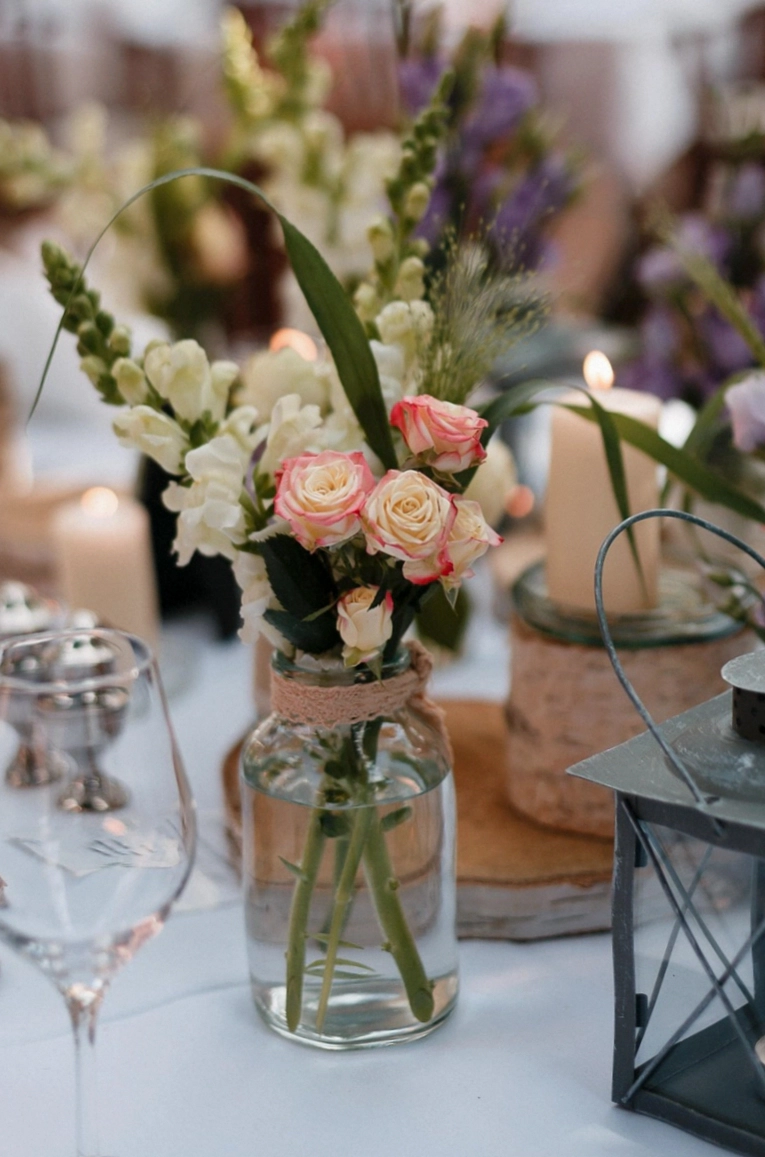
March to May brings toffee roses, amaranthus, copper beech and seed pods that photograph like oil paintings, and winter quietly delivers hellebores, ranunculus, camellia and forced blossom branches. Winter events earn our favourite comment of the year: nobody expects June flowers to look like that. Off-peak seasons also mean easier venue bookings, which our styling clients use to their advantage.
Out-of-season imported stems cost more, travel worse and die faster. The calendar is not a suggestion, it is the brief.
How to use the calendar when you plan
Tell your florist the season, the palette and the feeling, then let them pick stems the week of the event. Couples who lock a species list nine months out either pay a premium or get substitutions anyway. A few rules of thumb from the workbench:
- Book spring dates early: October Saturdays sell out first because every couple in Tasmania wants blossom.
- Name a palette, not a species. Dusty blue and terracotta survives any season; a specific rose variety might not.
- Ask what is peaking in your week, not your month. Flower seasons shift by two to three weeks year to year.
- Budget a little extra for winter transport; cold-stressed stems need gentler handling, not cheaper ones.
- Keep one imported line item if you must have it, and build everything else around what is local.
The calendar is also why our quotes name a palette and a stem range rather than a fixed species list. If you want to know what will be blooming on your date, ask us directly or check the seasonal notes on our celebration packages.